The Power of Dress — How Clothing Shapes Healing and Behavior ~
The Psychology of What We Wear
Every outfit tells a story. After trauma, survivors often find that clothing becomes symbolic — a way to express safety, strength, or transformation. When you choose what to wear, you’re not just dressing your body; you’re dressing your mindset.
How Clothing Affects Behavior
-
Embodied confidence — Wearing something that makes you feel strong can shift posture, tone, and energy.
-
Emotional armor — Certain textures or colors can create a sense of protection and grounding.
-
Identity reclamation — Choosing your own style is a declaration of autonomy.
-
Expectation reset — Dressing intentionally can help align how you see yourself with how you want to be seen.
-
Symbolic renewal — Each outfit can mark progress — a visual affirmation of growth.
Practical Ways to Use Clothing for Healing
-
Start with comfort and authenticity — wear what feels safe first.
-
Add color intentionally — warm tones for energy, cool tones for calm.
-
Choose textures that soothe — soft fabrics can help regulate sensory triggers.
-
Create rituals of dressing — turning daily preparation into a mindful act of self‑respect.
Closing Reflection
Clothing doesn’t define worth — but it can remind you of it. Each time you dress with intention, you tell your body and mind: I am here, I am whole, and I choose how I show up.
Prayers,
Curtis
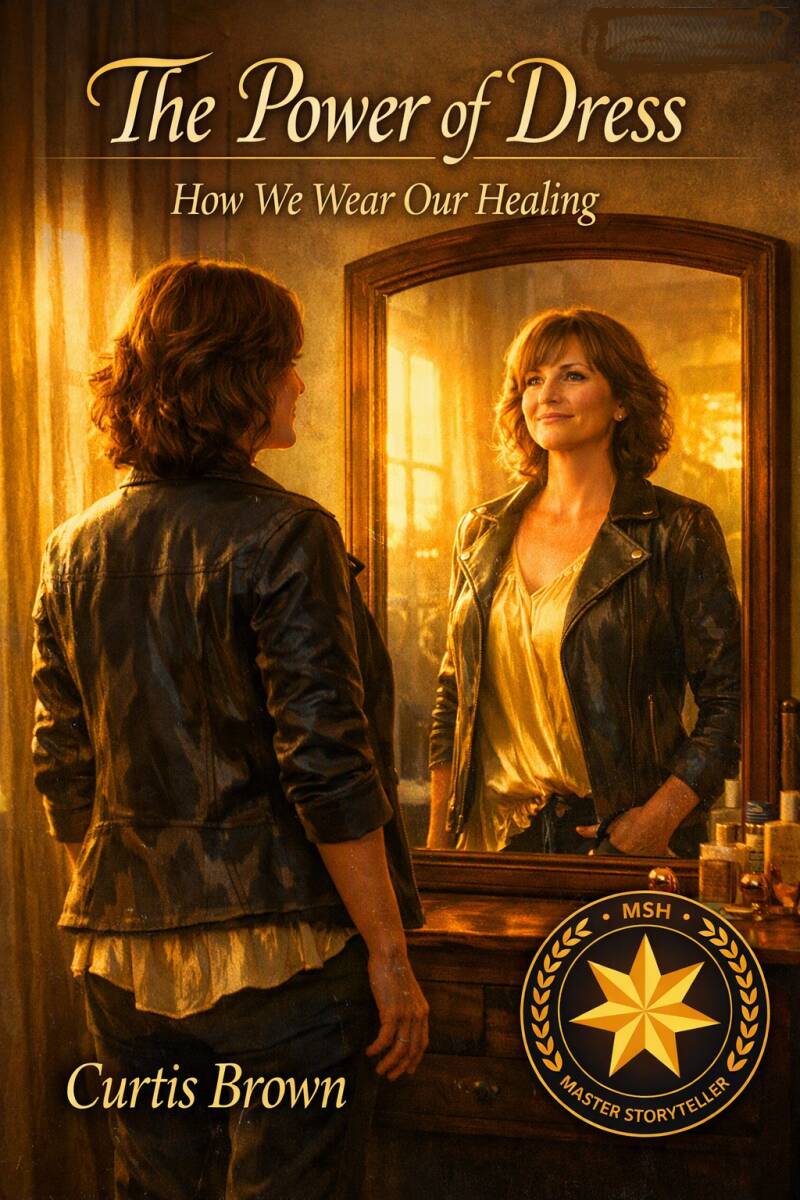
What we wear affects how we feel about ourselves, from the colors. shapes, materials, and what our mind tells us about particular clithing.
Why Colors Affect Our Mood
Color psychology explains that the colors we wear influence both how we feel and how others perceive us. These effects come from a mix of biological responses, personal experiences, and cultural associations Our Fashion Garden+1. Clothing is one of the most visible parts of our daily lives, so the hues we choose can subtly or strongly shape our mindset.
Common Color–Emotion Pairings
-
Red – Linked to passion, energy, confidence, and attention. Wearing red can make you feel bold and assertive, and studies show it can make you appear more powerful or attractive heelandfeel.com+1. Best for dates, presentations, or when you want to stand out.
-
Blue – Associated with calm, trust, stability, and focus. Blue clothing can lower stress and make you feel reliable and approachable heelandfeel.com+2. Popular in business settings and for moments needing composure.
-
Yellow – Often tied to energy, optimism, and creativity. Bright yellows can lift mood and make you feel more lively Fashion Is Psychology.
-
Black – Symbolizes elegance, sophistication, and power, though it can also feel formal or somber Fashion Is Psychology.
-
Green – Connected to balance, renewal, and relaxation, often evoking nature and stability heelandfeel.com.
-
Orange – Evokes warmth, enthusiasm, and sociability, making you feel more outgoing heelandfeel.com.
How to Use This Knowledge
You can dress to match your goals:
-
For a confidence boost → wear red accents or a red piece.
-
For calm and focus → choose blue tones.
-
For positivity → add yellow or orange.
-
For professional trust → opt for navy or other deep blues heelandfeel.com+1.
Cultural and Personal Variations
Meanings can shift depending on culture, era, and personal history. For example, white may symbolize purity in some cultures and mourning in others Our Fashion Garden. This is why color effects are most powerful when you align them with your own associations.
In short: Clothing colors are a form of non-verbal communication that can influence your mood, energy, and self-image. By choosing colors that align with the emotions you want to feel, you can subtly guide both your inner state and others’ perceptions
Add comment
Comments