
👣 8. 5-4-3-2-1 Grounding Game
Best for: flashbacks, dissociation, panic
Ages: 6+
Ask the child to name:
-
5 things they can see
-
4 things they can touch
-
3 things they can hear
-
2 things they can smell
-
1 thing they can taste or like about themselves
Why it helps:
Trauma pulls kids into the past. Grounding brings them back to now.
🧸 9. Safe Place Visualization
Best for: nightmares, bedtime fear
Ages: 5+
How to guide it:
“Close your eyes and imagine a place where you feel safe.
Who’s there? What do you see? What sounds do you hear?”
Important:
Let the child lead—don’t correct or add details.
Why it helps:
Creates an internal refuge they can return to when overwhelmed.
🖐️ 10. Hand Tracing Breathing
Best for: focus, calming at school
Ages: 4+
How to do it:
-
Trace fingers with the opposite hand
-
Inhale going up a finger
-
Exhale going down
Why it helps:
Combines breath + movement + focus—excellent for trauma-sensitive kids.
🌈 A Trauma-Informed Reminder (Very Important)
-
Never force an exercise
-
Choice = safety (“Would you like to try this or something else?”)
-
Short is better than perfect (30–60 seconds is enough)
-
These help regulate, not “fix” trauma—and that’s okay
Yes—there are gentle, age-appropriate breathing and movement exercises that can help children calm their bodies and feel safer after trauma. These don’t “erase” trauma, but they help the nervous system settle, which is a powerful first step toward healing.
Below are child-friendly techniques commonly used by trauma-informed therapists and schools. They can be done at home, in classrooms, or anywhere a child feels overwhelmed.
🌬️ Simple Breathing Exercises for Kids
1. Balloon Breathing
Best for ages 3+
-
Have the child pretend their belly is a balloon.
-
Slowly breathe in through the nose → “inflate the balloon.”
-
Slowly breathe out through the mouth → “let the balloon shrink.”
-
Do 3–5 rounds.
🧠 Why it helps: Deep belly breathing tells the brain the child is safe.
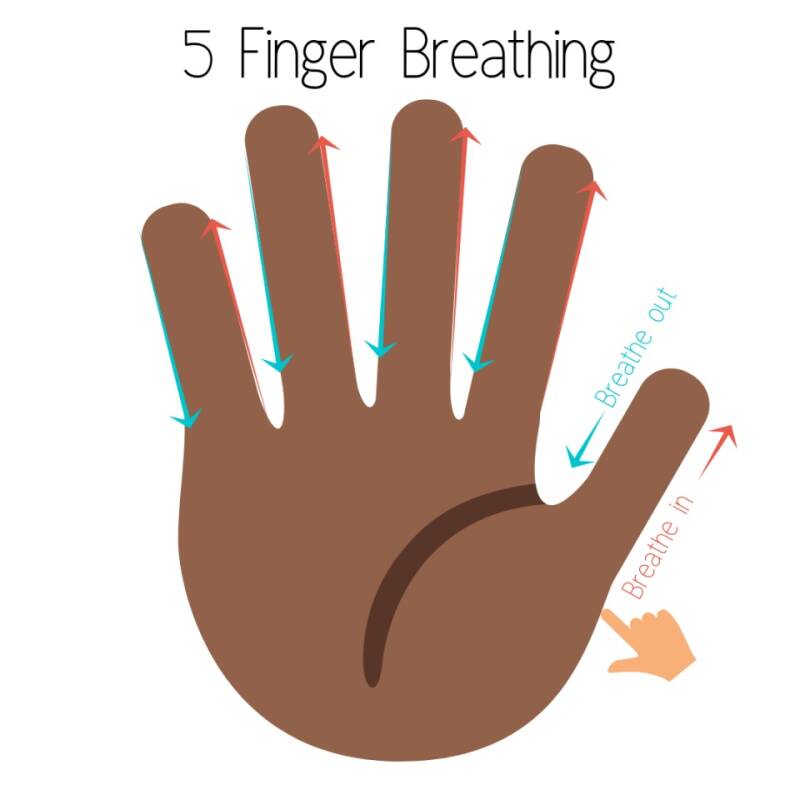
2. Hand (Five-Finger) Breathing
Best for ages 5+
-
Hold up one hand.
-
Trace each finger slowly:
-
Up a finger: breathe in
-
Down a finger: breathe out
-
-
One hand = one full calming cycle.
🧠 Why it helps: Combines breathing + movement + focus, which is grounding.
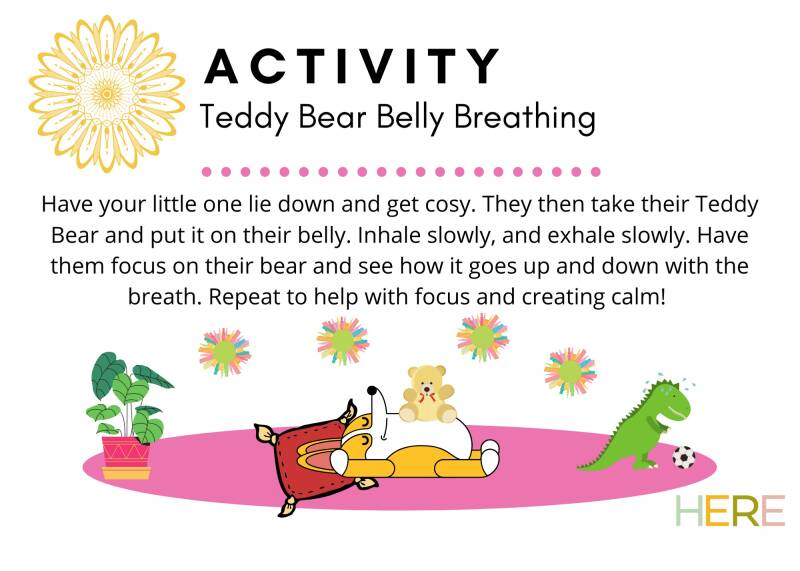
3. Teddy Bear Breathing
Best for ages 3–8
-
Child lies down with a stuffed animal on their belly.
-
Watch the teddy rise and fall with each breath.
-
Count to 3 in, 3 out.
🧠 Why it helps: Makes breathing visual and comforting.
4. Box (Square) Breathing
Best for ages 7+
-
Breathe in for 4
-
Hold for 4
-
Breathe out for 4
-
Hold for 4
(Trace a square in the air if helpful.)
🧠 Why it helps: Slows racing thoughts and reduces panic responses.
🤸 Gentle Movement & Body Exercises
5. Wall Push
-
Stand facing a wall.
-
Push hard with hands for 10 seconds.
-
Rest. Repeat 2–3 times.
🧠 Why it helps: Releases stored tension and helps kids feel strong and grounded.
6. Starfish Stretch
-
Spread arms and legs wide like a starfish.
-
Take a deep breath.
-
Curl into a small ball and exhale.
-
Repeat 3 times.
🧠 Why it helps: Helps children reconnect safely with their body.
7. Shake It Out
-
Gently shake arms, legs, hands.
-
End with a big breath and sigh.
🧠 Why it helps: Trauma can “freeze” energy in the body—shaking releases it naturally.
🧠 Important Trauma-Informed Notes (Especially for Survivors)
-
Never force breathing or movement—choice restores control.
-
If a child becomes distressed, stop and return to something grounding (like naming objects in the room).
-
These tools work best when practiced before big emotions hit—not only during meltdowns.
-
Healing is non-linear. Calm days don’t mean trauma is “gone.”
❤️ A Gentle Reminder
Trauma lives in the body, not just the mind—especially for children. These exercises don’t require words, explanations, or memories. They simply help kids feel safe right now.
Many children who have suffered from abuse or trauma, cab benefit from some of these exercises that professionals use.
We highly recommend speaking with your therapist to assist with which exercise technique(s) will benefit your child.
Prayers,
Mandie & Curtis
Happy Holidays :)
Add comment
Comments