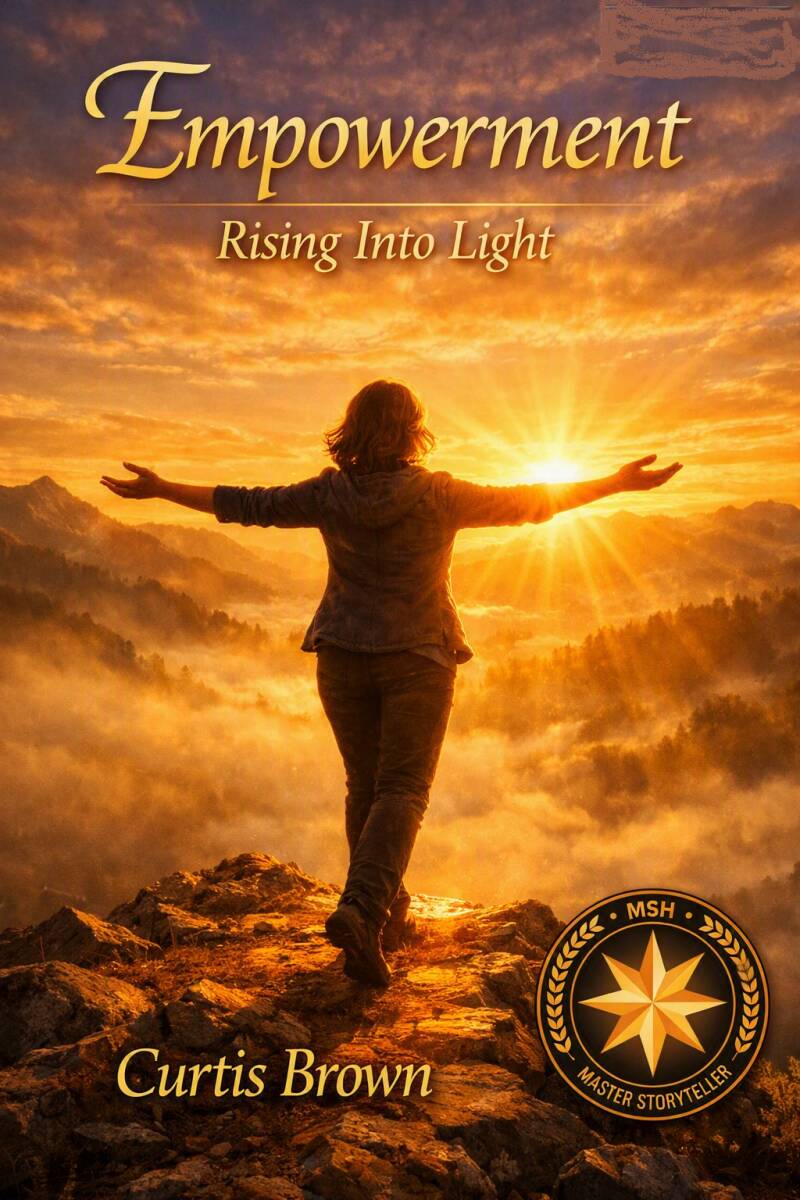
"The most common way people give up their power is
by thinking they don't have any."
~ Alice Walker
"Do what you feel in your heart to be right—for
you'll be criticised anyway."
~ Eleanor Roosevelt
"You will face many defeats in life, but never let
yourself be defeated."
~ Maya Angelou
Action and Courage
"The most difficult thing is the decision to act, the
rest is merely tenacity."
~ Amelia Earhart
"There is no passion to be found in playing small—in settling for a life that is less than the one you are capable of living."
~ Nelson Mandela
"The question isn't who is going to let me; it's who
is going to stop me."
~ Ayn Rand
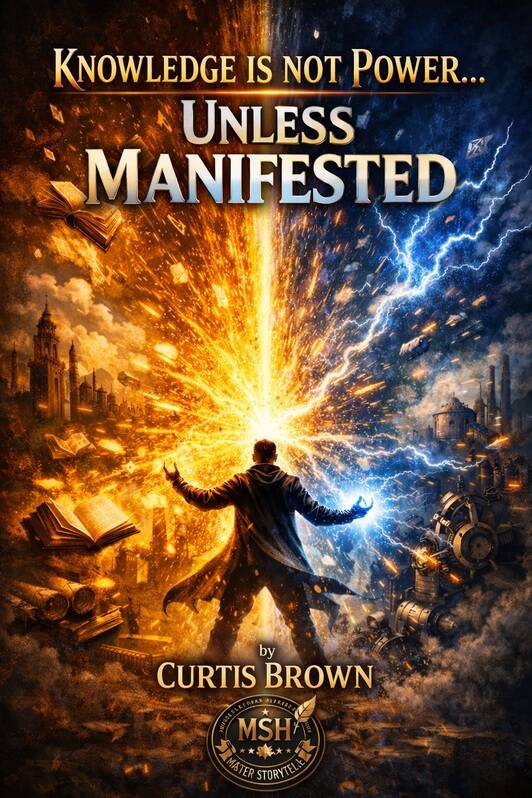
You are stuck in the gap between knowing and doing. And that gap — not lack of knowledge, not lack of intelligence, not lack of potential — is exactly what this book was written to close.
Knowledge Is Not Power...Unless Manifested is a direct, unflinching, deeply practical book about the one thing most personal development frameworks never adequately address: why people who know what to do still don't do it — and precisely what to do about that.
Drawing on research from organizational psychology, behavioral science, and the lived experiences of real people who have closed this gap in every dimension of their lives, this book delivers:
The diagnosis. A clear-eyed examination of why the belief that knowledge is power — passed down through generations with genuine love and good intent — has always been incomplete. And why its incompleteness is costing you more than you have been willing to calculate.
The framework. The Know → Act → Impact cycle — a reliable, repeatable model for taking any piece of knowledge and converting it into real-world consequence. Not a formula. A practice.
The tools. The Knowledge Audit that surfaces dormant assets you have been sitting on for years. The Action Architecture that makes doing the path of least resistance rather than a daily act of will. The Seven Steps of Manifestation that walk any knowledge — from any domain, at any scale — through to impact. The six beliefs that separate the people who act from the people who are perpetually preparing to.
The obstacles, named and dismantled. Fear of failure. Perfectionism. Overwhelm. The myth that you don't have time. The confidence you have been waiting to feel before you begin — and the truth about where confidence actually comes from.
“Why Empowerment Is Vital for Survivors” ~
The Meaning of Empowerment
Empowerment isn’t loud. It’s not about shouting your strength from mountaintops. It’s the quiet, steady realization that your voice matters — that you can make choices again, trust yourself again, and shape your future on your own terms.
For survivors, empowerment is the antidote to helplessness. It’s the shift from “I survived” to “I am living.”
The Shift from Powerlessness to Possibility
Trauma steals more than safety — it steals agency. Empowerment gives it back. It’s not about dominance or control; it’s about choice. It’s the quiet realization that you can shape your own story again.
Empowerment begins when survivors stop waiting for permission to heal. It’s the moment they decide their voice matters — even if it trembles.
Why Empowerment Is Vital
-
It rebuilds identity — trauma fractures the sense of self; empowerment stitches it back together.
-
It restores agency — survivors learn that they can act, decide, and lead their own healing.
-
It transforms pain into purpose — empowerment turns wounds into wisdom.
-
It strengthens resilience — each empowered choice becomes proof of capability.
-
It inspires others — when one survivor stands tall, others see what’s possible.
Without empowerment, healing stalls. Survivors remain defined by what happened instead of what’s possible. Empowerment turns pain into purpose, fear into fuel, and survival into strength.
It’s the difference between living because you have to and living because you choose to.
What Empowerment Looks Like
Empowerment isn’t loud. It’s subtle, steady, and deeply personal.
-
Reclaiming identity — remembering who you were before fear rewrote your name.
-
Choosing growth — even when it’s uncomfortable.
-
Believing you deserve peace — not as a reward, but as a right.
Empowerment is the act of standing in your own light — even when it feels unfamiliar.
How Survivors Begin to Reclaim Empowerment
-
Start with small decisions. Every “yes” or “no” is a declaration of self‑trust.
-
Speak your truth. Silence protects pain; voice releases it.
-
Set boundaries. Empowerment thrives where safety is honored. Saying “no” without guilt.
-
Celebrate progress. Each step forward is a victory, not a test.
-
Remember your worth. You are not defined by what broke you, but by what you rebuild
Closing Reflection
Empowerment is not a destination — it’s a daily practice. It’s the courage to stand in your own light, even when you’re still learning how to shine. It’s the moment you realize: You are not powerless. You are becoming.
Prayers,
Curtis
Add comment
Comments